6. The Disordered Soul: Thémis and PTSD
Philosophy and the Science of Human Nature (PHIL 181)
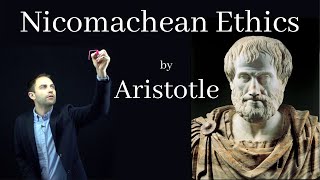
Professor Gendler introduces Aristotle's conception of virtue as a structuring one's life so that one's instinctive responses line up with one's reflective commitments. Becoming virtuous, according to Aristotle, requires that we engage in a process of habituation by acting as if we were virtuous, just as musicians master their instruments by playing them. By contrast, when one's behavior or experience is out of line with one's reflective commitments, dissonance ensues. Exemplifying this dissonance are Vietnam veterans with PTSD, whose experiences author Jonathan Shay relates to those of the Greek soldiers in the Iliad. In both cases, the reflective commitment to "what's right", or themis, is betrayed by some commanding officers; the consequence is a loss of the possibility of social trust.
00:00 - Chapter 1. Aristotle on Happiness and Harmony
18:50 - Chapter 2. The Relationship between Elite Universities and the Military
30:58 - Chapter 3. Jonathan Shay on the "Iliad" and PTSD
Complete course materials are available at the Open Yale Courses website: http://oyc.yale.edu
This course was recorded in Spring 2011.


#Comments
YOU NEED TO LOGIN IN ORDER TO COMMENT